Buy wikid.eu ?
We are moving the project
wikid.eu .
Are you interested in purchasing the domain
wikid.eu ?
domain@kv-gmbh.de · 0541-91531010
Buy wikid.eu ?
Can only primates blow?
No, only primates cannot blow. Many animals, including birds, fish, and some reptiles, are capable of blowing or expelling air from their bodies. For example, birds use their beaks to blow air to clean their feathers, and some fish can blow bubbles to create nests or scare away predators. Therefore, the ability to blow is not exclusive to primates. **
Which monkeys belong to the primates?
All monkeys belong to the primates. **


Similar search terms for Primates
Top-Angebote
Products related to Primates:
-
Tiny Tots Teens Trends Drawer Game Early Education Montessori Wooden Pitch Ball Box Preschool Learning Training Toy Drawer Game Early Education Montessori Wooden Pitch Ball Box Preschool Learning Training ToyThis Montessori Wooden Pitch Ball Box Drawer Game is a thoughtfully designed earlyeducation toy that transforms playtime into purposeful learning. Crafted for toddlers and preschoolers, it offers a handson, engaging way to support key developmental...39,97 $*Shipping: 0,00 $Secure redirect to the provider
-
Research-powered Eye Duo - Skincare Kit Charlotte Tilbury 3315 Charlotte's Research-powered Eye Duo Size:Darlings, unlock the secret to eyes that appear brighter, depuffed, smoother and younger with my Research-Powered Eye Duo! This CharlotteTilbury.com EXCLUSIVE skincare duo includes:94,05 £*Shipping: 0,00 £Secure redirect to the provider
-
Perfect Picks Market Kids Emotional Expression Mirror Early Education & Emotional Learning Toy For Toddlers pinkNurture your childs emotional intelligence with the Kids Emotional Expression Mirrora fun, interactive learning tool designed to help toddlers understand and manage their feelings. This innovative toy features six emotional expression cards and a...49,97 $*Shipping: 0,00 $Secure redirect to the provider
-
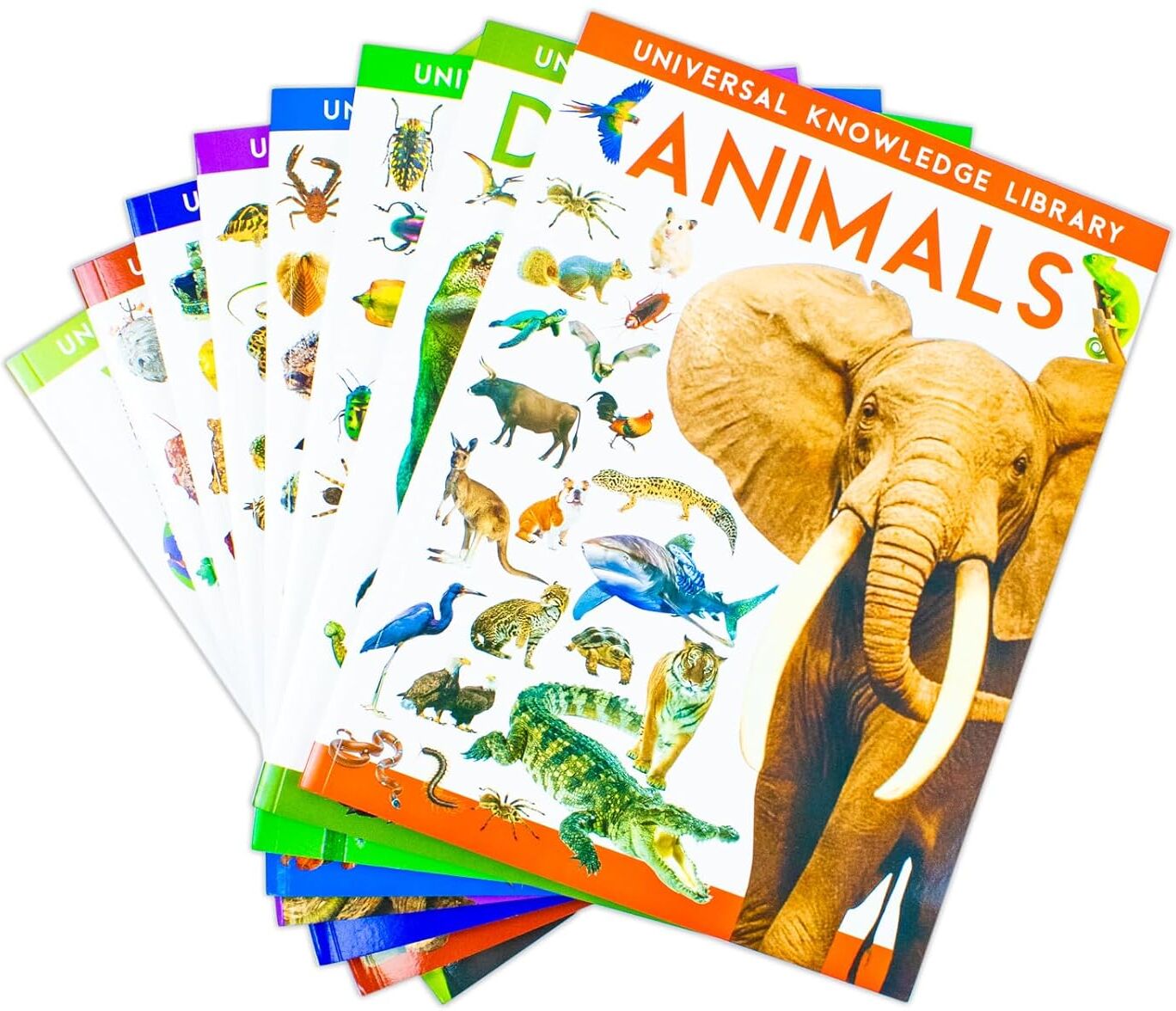
Fox Eye Publishing Universal Knowledge Library Animals & Nature 8 Book Collection Set – Dinosaurs, Oceans, Volcanoes & Educational Science Learning BooksEmbark on an exciting adventure with the Universal Knowledge Library: Animals and Nature 8 Volumes Book Collection Set! This beautifully illustrated series is perfect for curious young minds eager to explore the wonders of our world. Each volume is packed with fascinating facts and vibrant images, making learning fun and engaging. Animals: Meet the amazing creatures that roam our planet, from the jungles to the savannas, and discover what makes each one unique. Dinosaurs: Travel back in time to the age of the dinosaurs and learn about these incredible giants that once ruled the Earth. Insects: Get up close with the tiny yet extraordinary world of insects and uncover their vital roles in nature. Oceans: Dive into the depths of the oceans and explore the mysterious and colourful life beneath the waves. Reptiles: Slither and crawl through the fascinating lives of reptiles, from snakes to turtles, and learn about their habitats and behaviours. Rocks & Minerals: Unearth the secrets of rocks and minerals, and find out how these building blocks of our planet are formed. Trees: Climb high into the world of trees and discover their importance to our environment and the incredible diversity of species. Volcanoes & Earthquakes: Feel the power of nature's most dramatic events and understand how volcanoes and earthquakes shape our world. Perfect for children aged 7 and up, this collection will inspire a love for reading and a passion for discovery. Dive in and let your adventure begin!16,90 £*Shipping: 2,99 £Secure redirect to the provider



-
Can humans reproduce with other primates?
No, humans cannot reproduce with other primates. While humans and other primates share a common ancestor, the genetic differences between humans and other primates are too great to allow for successful reproduction. Additionally, humans have 23 pairs of chromosomes, while other primates have a different number of chromosomes, making it biologically impossible for successful interbreeding to occur. **
-
What are the fundamental rights for primates?
The fundamental rights for primates include the right to life, freedom from torture and cruel treatment, and the right to live in a suitable environment. These rights are based on the understanding that primates are sentient beings capable of experiencing pain and suffering, and therefore deserve to be protected from harm. Additionally, primates have the right to socialize with others of their kind, engage in natural behaviors, and have their physical and psychological well-being taken into consideration. These rights are important for ensuring the ethical treatment of primates in captivity and in the wild. **
-
Why are monkeys referred to as primates?
Monkeys are referred to as primates because they belong to the biological order of Primates, which also includes apes, lemurs, and humans. Primates are characterized by having grasping hands and feet, forward-facing eyes, and large brains relative to body size. They are also known for their complex social behaviors and intelligence. Monkeys share these characteristics with other members of the primate order, which is why they are classified as primates. **
-
How do primates like humans resemble each other?
Primates like humans share many similarities, including opposable thumbs that allow for grasping objects and tools. They also have complex social structures, with the ability to form strong emotional bonds and engage in cooperative behaviors. Additionally, primates, including humans, have forward-facing eyes that provide depth perception and a well-developed brain capable of problem-solving and learning. These shared characteristics suggest a close evolutionary relationship among primates. **

How closely related are primates and deer actually?
Primates and deer are not closely related at all. Primates belong to the order Primates, which includes animals like monkeys, apes, and humans. Deer, on the other hand, belong to the order Artiodactyla, which includes even-toed ungulates like cows, pigs, and giraffes. These two orders are not closely related in terms of evolutionary history, and they have distinct physical and behavioral characteristics. Therefore, primates and deer are quite different and not closely related at all. **
Why have people never domesticated primates as pets?
People have never domesticated primates as pets for several reasons. Primates have complex social structures and specialized dietary needs that are difficult to replicate in a domestic setting. They also have strong physical abilities and intelligence that can make them dangerous and difficult to control. Additionally, primates can carry zoonotic diseases that can be transmitted to humans, posing a health risk. Overall, the challenges and risks associated with keeping primates as pets have deterred people from domesticating them. **
Top-Angebote
Products related to Primates:
-
Perfect Picks Market Montessori Reusable Learning Cards Set For Kids Early Education Writing Practice Game Montessori Reusable Learning Cards Set For Kids Early Education Writing Practice GameTurn everyday learning into a fun, handson experience with these Montessori toys designed to spark curiosity and creativity. This engaging set of reusable cards helps young children build essential skills through play, making it perfect for early...39,97 $*Shipping: 0,00 $Secure redirect to the provider
-
Dorling Kindersley DK Knowledge Encyclopedia Space The Ultimate Space & Astronomy Reference Guide for Kids and Families - Planets, Stars, Galaxies & the Universe ExplainExplore the wonders of the universe with the DK Knowledge Encyclopedia Space, an inspiring and visually stunning guide to outer space.Packed with high-definition photographs, 3D illustrations, infographics, facts, timelines, and scientific explanations, this encyclopedia takes readers on an unforgettable journey from Earth to the farthest reaches of the cosmos. Perfect for curious readers, young astronomers, and space enthusiasts, this book explains: The solar system, planets, moons, and dwarf planets Stars, nebulas, black holes, galaxies & cosmic phenomena Space exploration, astronauts & spacecraft The Big Bang, universe evolution & future missions The latest science discoveries explained in kid-friendly language A brilliant educational book for STEM learners, classrooms, home libraries, and children aged 8–14 who love space.9,99 £*Shipping: 2,99 £Secure redirect to the provider
-
Tiny Tots Teens Trends Drawer Game Early Education Montessori Wooden Pitch Ball Box Preschool Learning Training Toy Drawer Game Early Education Montessori Wooden Pitch Ball Box Preschool Learning Training ToyThis Montessori Wooden Pitch Ball Box Drawer Game is a thoughtfully designed earlyeducation toy that transforms playtime into purposeful learning. Crafted for toddlers and preschoolers, it offers a handson, engaging way to support key developmental...39,97 $*Shipping: 0,00 $Secure redirect to the provider
-
Research-powered Eye Duo - Skincare Kit Charlotte Tilbury 3315 Charlotte's Research-powered Eye Duo Size:Darlings, unlock the secret to eyes that appear brighter, depuffed, smoother and younger with my Research-Powered Eye Duo! This CharlotteTilbury.com EXCLUSIVE skincare duo includes:94,05 £*Shipping: 0,00 £Secure redirect to the provider
-
Can only primates blow?
No, only primates cannot blow. Many animals, including birds, fish, and some reptiles, are capable of blowing or expelling air from their bodies. For example, birds use their beaks to blow air to clean their feathers, and some fish can blow bubbles to create nests or scare away predators. Therefore, the ability to blow is not exclusive to primates. **
-
Which monkeys belong to the primates?
All monkeys belong to the primates. **
-
Can humans reproduce with other primates?
No, humans cannot reproduce with other primates. While humans and other primates share a common ancestor, the genetic differences between humans and other primates are too great to allow for successful reproduction. Additionally, humans have 23 pairs of chromosomes, while other primates have a different number of chromosomes, making it biologically impossible for successful interbreeding to occur. **
-
What are the fundamental rights for primates?
The fundamental rights for primates include the right to life, freedom from torture and cruel treatment, and the right to live in a suitable environment. These rights are based on the understanding that primates are sentient beings capable of experiencing pain and suffering, and therefore deserve to be protected from harm. Additionally, primates have the right to socialize with others of their kind, engage in natural behaviors, and have their physical and psychological well-being taken into consideration. These rights are important for ensuring the ethical treatment of primates in captivity and in the wild. **
Similar search terms for Primates
-
Perfect Picks Market Kids Emotional Expression Mirror Early Education & Emotional Learning Toy For Toddlers pinkNurture your childs emotional intelligence with the Kids Emotional Expression Mirrora fun, interactive learning tool designed to help toddlers understand and manage their feelings. This innovative toy features six emotional expression cards and a...49,97 $*Shipping: 0,00 $Secure redirect to the provider
-
Fox Eye Publishing Universal Knowledge Library Animals & Nature 8 Book Collection Set – Dinosaurs, Oceans, Volcanoes & Educational Science Learning BooksEmbark on an exciting adventure with the Universal Knowledge Library: Animals and Nature 8 Volumes Book Collection Set! This beautifully illustrated series is perfect for curious young minds eager to explore the wonders of our world. Each volume is packed with fascinating facts and vibrant images, making learning fun and engaging. Animals: Meet the amazing creatures that roam our planet, from the jungles to the savannas, and discover what makes each one unique. Dinosaurs: Travel back in time to the age of the dinosaurs and learn about these incredible giants that once ruled the Earth. Insects: Get up close with the tiny yet extraordinary world of insects and uncover their vital roles in nature. Oceans: Dive into the depths of the oceans and explore the mysterious and colourful life beneath the waves. Reptiles: Slither and crawl through the fascinating lives of reptiles, from snakes to turtles, and learn about their habitats and behaviours. Rocks & Minerals: Unearth the secrets of rocks and minerals, and find out how these building blocks of our planet are formed. Trees: Climb high into the world of trees and discover their importance to our environment and the incredible diversity of species. Volcanoes & Earthquakes: Feel the power of nature's most dramatic events and understand how volcanoes and earthquakes shape our world. Perfect for children aged 7 and up, this collection will inspire a love for reading and a passion for discovery. Dive in and let your adventure begin!16,90 £*Shipping: 2,99 £Secure redirect to the provider
-
Tiny Tots Teens Trends Bright Color Montessori Wooden Toys, Adorable Caterpillar Puppet, KTV Adults, Kids Early Education Learning Toy For Boys Bright Color Montessori Wooden Toys, Adorable Caterpillar Puppet, KTV Adults, Kids Early Education Learning ToyEnhance Learning with Montessori Wooden Toys Introduce your child to the world of interactive learning with our Montessori Wooden Toys. Designed to stimulate both cognitive development and creativity, these toys are perfect for early education. The...44,97 $*Shipping: 0,00 $Secure redirect to the provider
-
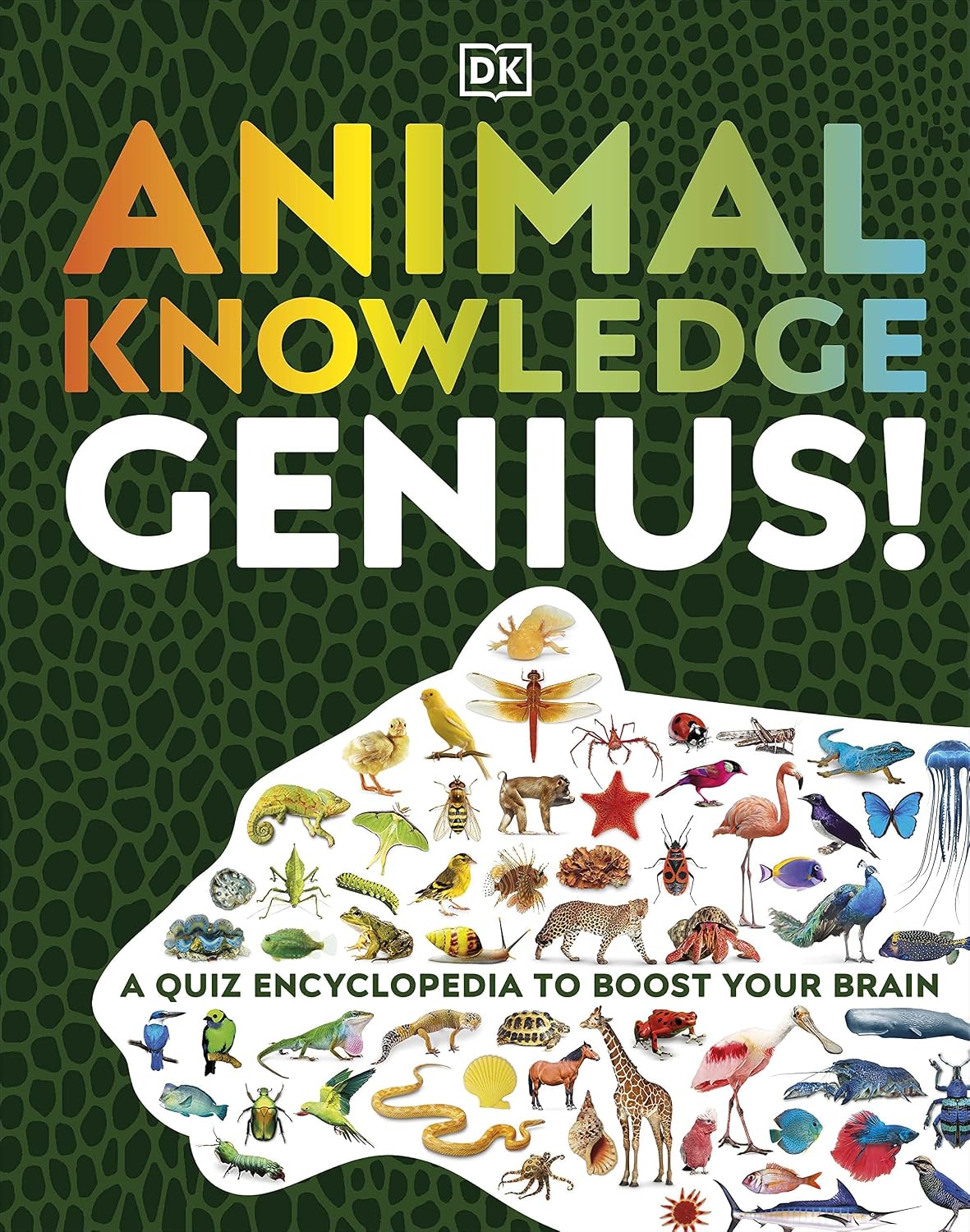
DK Knowledge Genius Quiz Encyclopedia 3 Books Collection Set General Knowledge, Animal & Earth Knowledge Genius Educational Quiz Books for KidsPut young minds to the test with A Quiz Encyclopedia to Boost Your Brain Genius Knowledge – 3 Books Collection Set, an entertaining educational series combining fascinating facts with engaging quizzes and knowledge challenges. 3 Books Included General Knowledge Genius! Animal Knowledge Genius! Earth Knowledge Genius! Designed for curious young readers, this three-book collection provides an engaging way to explore a wide variety of subjects while putting their knowledge to the test. General Knowledge Genius! challenges children across a broad range of fascinating topics, helping them expand their general knowledge through fun questions and facts. Animal Knowledge Genius! takes young readers into the animal kingdom, making it a great choice for children fascinated by wildlife and creatures from around the world. Earth Knowledge Genius! explores our amazing planet and encourages children to discover more about the natural world and Earth. Combining the appeal of a children's encyclopedia with interactive quiz-style learning, these books can help encourage curiosity, independent reading and knowledge-building away from screens. Perfect for home learning, family quiz time, holidays and general knowledge practice, this collection also makes an excellent educational gift for inquisitive children. Key Features 3 educational quiz encyclopedia books General Knowledge, Animals and Earth topics Combines facts, questions and quizzes Fun way to expand children's general knowledge Encourages curiosity and independent learning Great for home learning and family quiz activities Screen-free educational entertainment Ideal gift for curious young readers14,99 £*Shipping: 2,99 £Secure redirect to the provider
-
Why are monkeys referred to as primates?
Monkeys are referred to as primates because they belong to the biological order of Primates, which also includes apes, lemurs, and humans. Primates are characterized by having grasping hands and feet, forward-facing eyes, and large brains relative to body size. They are also known for their complex social behaviors and intelligence. Monkeys share these characteristics with other members of the primate order, which is why they are classified as primates. **
-
How do primates like humans resemble each other?
Primates like humans share many similarities, including opposable thumbs that allow for grasping objects and tools. They also have complex social structures, with the ability to form strong emotional bonds and engage in cooperative behaviors. Additionally, primates, including humans, have forward-facing eyes that provide depth perception and a well-developed brain capable of problem-solving and learning. These shared characteristics suggest a close evolutionary relationship among primates. **
-
How closely related are primates and deer actually?
Primates and deer are not closely related at all. Primates belong to the order Primates, which includes animals like monkeys, apes, and humans. Deer, on the other hand, belong to the order Artiodactyla, which includes even-toed ungulates like cows, pigs, and giraffes. These two orders are not closely related in terms of evolutionary history, and they have distinct physical and behavioral characteristics. Therefore, primates and deer are quite different and not closely related at all. **
-
Why have people never domesticated primates as pets?
People have never domesticated primates as pets for several reasons. Primates have complex social structures and specialized dietary needs that are difficult to replicate in a domestic setting. They also have strong physical abilities and intelligence that can make them dangerous and difficult to control. Additionally, primates can carry zoonotic diseases that can be transmitted to humans, posing a health risk. Overall, the challenges and risks associated with keeping primates as pets have deterred people from domesticating them. **
* All prices are inclusive of VAT and, if applicable, plus shipping costs. The offer information is based on the details provided by the respective shop and is updated through automated processes. Real-time updates do not occur, so deviations can occur in individual cases. ** Note: Parts of this content were created by AI.